-
August 30, 526
 Theoderic the Great, King of Ostrogoths, dies of dysentery and is succeeded by his grandson Athalaric
-
August 30, 1483Louis XI, King of France, dies at age 60
-
August 30, 1721
 The Peace of Nystad ends the Great Northern War between Sweden and Russia, giving Russia considerably more power in the Baltic region
-
August 30, 1862Union forces are defeated by the Confederates at the Second Battle of Bull Run in Manassas, Virginia, the culmination of an offensive campaign waged by Confederate Gen. Robert E. Lee's Army of Northern Virginia
-
August 30, 1869U.S. soldier John Wesley Powell completes exploratory river trip down the Green and Colorado rivers, in which becomes the first Europeans to pass through the Grand Canyon
-
August 30, 1909Burgess Shale, one of the world's most celebrated fossil fields and the earliest fossil beds containing soft-part imprints, is found by palaeontologist Charles Walcott
-
August 30, 1963Hot Line communications link between Washington DC and Moscow begins in the wake of the Cuban Missile Crisis
-
August 30, 1981Mohammad Ali Rajai, president of Iran, and Mohammad Javad Bahonar, prime minister of Iran, are assassinated by a bomb
-
August 30, 1991American athlete Mike Powell set new world record in long jump, 8.95 m, World Championships in Athletics
-
August 30, 1995The NATO bombing campaign against Serb artillery positions begins in Bosnia, continuing into October, simultaneously with an ARBiH offensive against the Serb Army around Sarajevo, central Bosnia and Bosnian Krajina
Showing posts with label Explorations. Show all posts
Showing posts with label Explorations. Show all posts
Friday, September 1, 2017
August 30

Saturday, August 19, 2017
August 20
-
August 20, 1191
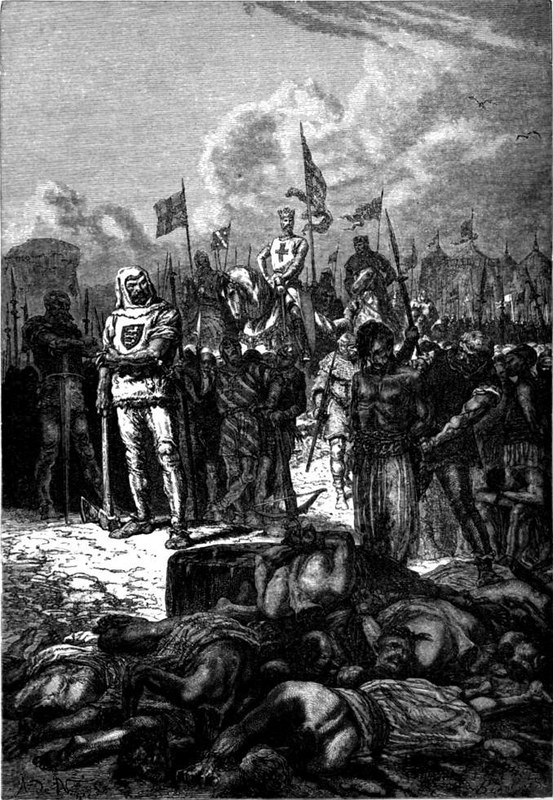 Crusader King Richard I executes some 2,700 Muslim prisoners in Acre
-
August 20, 1530Hayreddin Barbarossa, a Barbary pirate, unites Algeria and Tunisia as military states under the Ottoman caliphate and becomes admiral of the Ottoman fleet
-
August 20, 1619The first African slaves arrive to North America aboard a Dutch privateer and dock in Jamestown, Virginia, with twenty human captives among its cargo
-
August 20, 1672Johan de Witt, Grand Pensionary of Holland and key figure in Dutch politics, is assassinated by a carefully organized lynch mob by a shot in the neck, and his naked body is hanged and mutilated beside body of his brother Cornelis de Witt
-
August 20, 1745Bonnie Prince Charlie occupies Blair Castle, Scotland
-
August 20, 1847General Winfield Scott wins the Battle of Churubusco, only 8 kilometers away from Mexico City
-
August 20, 1860Robert O'Hara Burke leads a group of 15 men, 27 camels and 23 horses out of Melbourne on an expedition to cross Australia
-
August 20, 1913Adolphe Pégoud becomes the first pilot to parachute from an aircraft
-
August 20, 1939Soviet forces under Lieutenant General Georgi Zhukov successfully counterattack Japanese invaders at Nomanhan in the Mongolian People's Republic on the border with Manchukuo
-
August 20, 1940Ramón Mercader, agent of Josef Stalin, fatally stabs Leon Trotsky with an ice pick in Mexico City
-
August 20, 1956The Calder Hall atomic power station begins operation in Cumberland, Great Britain, generating up to 90,000 kilowatts of power and manufacturing plutonium becoming the world's first power station to generate electricity on an industrial scale
-
August 20, 2011In the Battle of Tripoli, Libyan rebels take control the nation's capital, effectively overthrowing the government of Muammar Gaddafi
Thursday, August 17, 2017
August 18
-
August 18, 1227
 Genghis Khan, a Mongol conqueror, dies, which triggers subsequent division of Mongol empire among his sons
-
August 18, 1459City of Smederevo falls under the Turks after three-months siege completing the Ottoman conquest of Serbia
-
August 18, 1588A storm strikes the remaining 60 ships of the Spanish Armada under the Duke Alonso Pérez de Guzmán after which only 11 are left. Many of the ships go to Ireland where most of the Spaniards are killed by the English
-
August 18, 1759The French fleet is destroyed by the British under Admiral Edward Boscawen, at the battle of Lagos Bay in southern Portugal
-
August 18, 1807Robert Stevenson begins work on the 35-meters Bell Rock lighthouse at the mouth of Scotland's Firth of Forth, the world's oldest surviving sea-washed lighthouse
-
August 18, 1838United States Exploring Expedition, an exploring and surveying expedition of the Pacific Ocean and surrounding lands, led by Charles Wilkes, departs from Hampton Roads
-
August 18, 1846General Stephen W. Kearny proclaims all of New Mexico a territory of the United States and declares himself the military governor of the New Mexico Territory shortly after Capture of Santa Fe
-
August 18, 1851The Platine War for the hegemony over South America begins between the Argentine Confederation and Empire of Brazil and its alliance
-
August 18, 1862Dakota War of 1862 begins in Minnesota four young Sioux murder five white settlers at Acton Township, Minnesota
-
August 18, 1870Prussian forces defeat the French at the Battle of Gravelotte, the largest battle during the Franco–Prussian War
-
August 18, 1920Nineteenth Amendment to the United States Constitution, giving women right to vote, is ratified
-
August 18, 1920
 Serbian geophysicist and astronomer Milutin Milanković links Earth's periodic long-term climate changes with orbital eccentricity and full cycles of Earth's axis precession, later called Milankovitch cycles
-
August 18, 1955First Sudanese Civil War begins between the northern part of Sudan and the southern Sudan region
Sunday, August 6, 2017
August 7
-
August 7, 936
 Otto the Great is crowned as King of Germany in Charlemagne's former capital of Aachen, known in French as Aix-la-Chapelle, after death his father Henry the Fowler
-
August 7, 1485Henry Tudor's army landed in Milford Haven, South-Wales
-
August 7, 1620Kepler's mother is arrested for witchcraft
-
August 7, 1620French king Louis XIII beats forces of his mother Marie de Medici at the Battle at Ponts-de-Cé, Poitou ending a civil war
-
August 7, 1714Battle of Gangut between Swedish Navy and Imperial Russian Navy during Great Northern War becomes the first victory of the Russian fleet in its history
-
August 7, 1760Fort Loudon, Tennessee, surrender to Cherokee Indians
-
August 7, 1782A statue of Peter the Great, made by French sculptor Etienne-Maurice Falconet, is unveiled in Saint Petersburg on the 100th anniversary of his accession to the throne
-
August 7, 1814Pope Pius VII reinstated the Jesuits
-
August 7, 1819South American liberator Simón Bolívar defeats Spanish forces under General Jose Barreiro in New Granada, Colombia at the Battle of Boyaca
-
August 7, 1839Shah Shujah Durrani, the leader of the Abdali group of Pashtuns people, is installed as Afghan "puppet king" by the British after successful invasion of Afghanistan
-
August 7, 1947Kon-Tiki expedition, journey across the Pacific Ocean from South America to the Polynesian islands to demonstrate that people from pre-Columbian America could have made long sea voyages, led by Norwegian explorer Thor Heyerdahl, is completed
-
August 7, 1955Tokyo Telecommunications Engineering, the precursor to Sony, begins selling its first transistor radios in Japan
-
August 7, 1960Ivory Coast gains independence from France
-
August 7, 1964US Congress approves Gulf of Tonkin resolution, which gives to President Lyndon B. Johnson authorization to use military force in Southeast Asia
-
August 7, 1995Operation Storm, launched by Croatian against Serbian forces in Krajina, ends with a United Nations-brokered ceasefire and start of surrendering of remaining Serbian forces
-
August 7, 1998The bombings of the United States embassies in Dar es Salaam, Tanzania, and Nairobi, Kenya, linked to terrorist Osama Bin Laden, kill 224 people and injure over 4,500
-
August 7, 1999
 The Russian Federation begins Second Chechen War in response to the invasion of hundreds of Chechen guerrillas in the Russian republic of Dagestan
-
August 7, 2008Georgia sends its army to regain control of South Ossetia which has had de facto independence since 1992, beginning Russia–Georgia war
Thursday, July 13, 2017
July 14
-
July 14, 1420
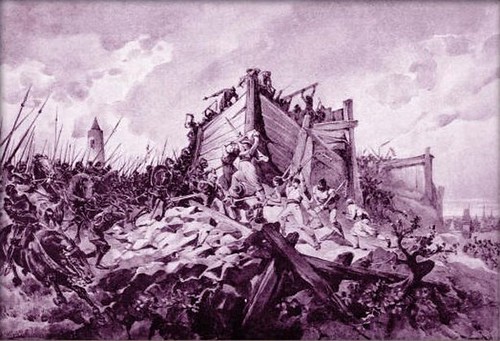 Hussite forces under command of Jan Žižka defeat the forces of Emperor Sigismund, Holy Roman Emperor at the Battle of Vítkov Hill, a part of the first anti-Hussite crusade, on the edge of the city of Prague
-
July 14, 1520Hernando Cortes beats the Aztecs at the Battle of Otumba in Mexico
-
July 14, 1683Turks lay siege to Vienna
-
July 14, 1771Junípero Serra, a Spanish Franciscan friar, founds the Mission San Antonio de Padua in California
-
July 14, 1789
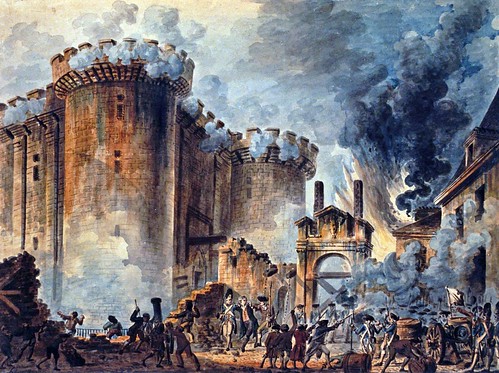 Citizens of Paris, France, storm the Bastille fortress used as a prison to hold political prisoners, beginning the French Revolution and building foundation to modern political structure
-
July 14, 1795The Marseillaise, a song written by Claude Joseph Rouget de Lisle to mobilize all the citizens to fight against the foreign invasion, is officially adopted as the French national anthem
-
April 30, 1803
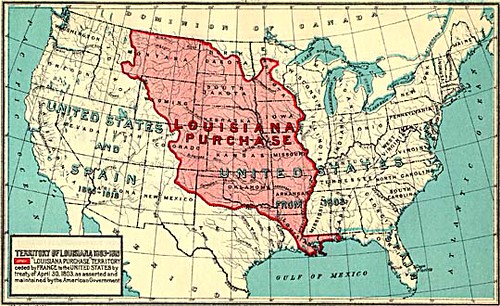 The United States purchases the Louisiana Territory from France for $15 million and doubles the size of the country by Louisiana Purchase Treaty
-
July 14, 1853Commodore Matthew Perry meets with the chief senior councillor in the Japanese government at ceremony at Kurihama, Japan, and presents a letter from former President Fillmore to Emperor Osahito requesting trade relations
-
July 14, 1868Tape measure enclosed in a circular case is patented, by AJ Fellows, in Connecticut, United States
-
July 14, 1877The Great Railroad Strike of 1877, the world's first nationwide labor strike, begins in Martinsburg, West Virginia due to wage cuts and poor working conditions
-
July 14, 1889A Congress of world Socialist parties selected May 1 as International Workers Day to support the United States labor struggle
-
July 14, 1897Swede Saloman Andrée's and 2 accomplices, Knute Fraenkle and Nils Strindberg, in the Ornen balloon are forced down after 64 hours in the first expedition to fly by balloon across the North Pole
-
July 14, 1914First patent for liquid-fueled rocket design is granted to American physicist Robert H. Goddard
-
July 14, 1946American pediatrician Benjamin Spock publishes his book The Common Sense Book of Baby and Child Care, the best-selling book on infant and child care
-
July 14, 1958King Faisal II, the last King of Iraq, is assassinated during the 14 July Revolution at Baghdad
-
July 14, 1960
 Jane Goodall, an English primatologist and anthropologist, begins studying the Kasakela chimpanzee community in Gombe Stream National Park, Tanzania
-
July 14, 2007Following a presidential decree, Russia withdraws from the Treaty on Conventional Armed Forces in Europe
-
July 14, 2008The Dark Knight, one of the best superhero films based on the DC Comics character Batman, is released in New York
Saturday, July 1, 2017
July 2
-
July 2, 311
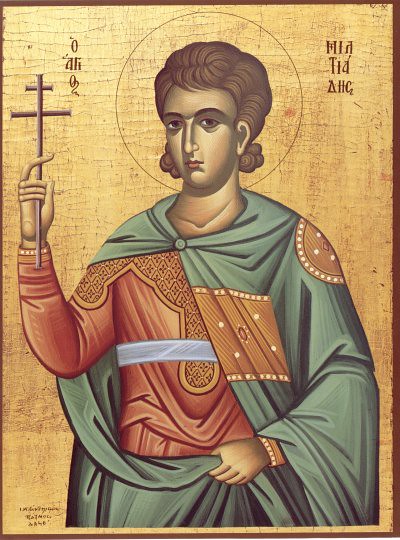 Saint Militiades begins his reign as Catholic Pope
-
July 2, 1644The combined forces of the English Parliamentarians and the Scottish Covenanters crush the Royalists at the Battle of Marston Moor near York, England
-
July 2, 1737
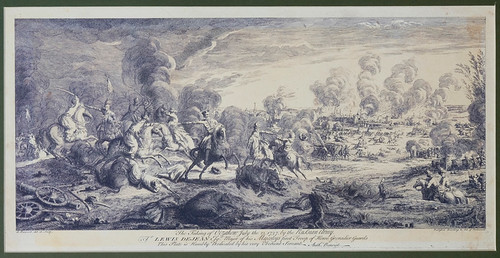 The Russian army, led by Burkhard Christoph von Münnich, capture by storm the Ottoman fortress of Ochakov during Russo–Turkish War of 1735–1739
-
July 2, 1747Marshall Saxe leads the French forces to victory over an Anglo-Dutch force under the Duke of Cumberland at the Battle of Lauffeld
-
July 2, 1777Vermont becomes the first American territory to abolish slavery
-
July 2, 1822Denmark Vesey, the leader of large group of slaves, and five aides are hanged at Blake's Landing, Charleston, South Carolina after attempt to gain freedom by force
-
July 2, 1861Australian explorer Robert O'Hara Burke dies near Cooper's Creek and John King presses on to look for native Aborigines
-
July 2, 1872Jacob W. Davis of Reno, Nevada, sends Levi Strauss & Co. in San Francisco a sample of his work pants and a business proposal for Strauss to apply for a patent in exchange for a half share in the patent
-
July 2, 1881Less than four months after his inauguration, the 20th President of the United States James Garfield is fatally shot from behind in Washington, D.C., by Charles Guiteau, who wished to be appointed consul to France, at the Washington railroad station
-
July 2, 1890United States Congress passes the Sherman Antitrust Act against large companies, who co-operated to fix outputs and prices, which becomes the second antitrust law, after Canada's competition statute
-
July 2, 1893Fram, a ship used for exploration of the Arctic and Antarctic regions, leaves Bergen to be frozen into the pack ice and drift towards the pole
-
July 2, 1900Zeppelin LZ 1, made by German aircraft manufacturer Ferdinand von Zeppelin, becomes the first truly successful experimental rigid airship
-
July 2, 1937Amelia Earhart, an American author and the first female aviator to fly solo across the Atlantic Ocean, disappears over the central Pacific Ocean near Howland Island during a circumnavigational flight of the globe
-
July 2, 1961Writer Ernest Hemingway shoots himself to death in Ketchum, Idaho, United States
-
July 2, 1962
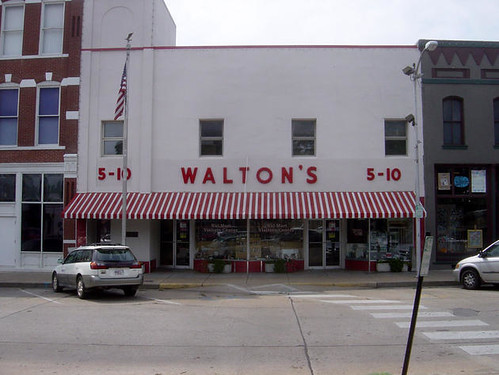 The first Wal-Mart, a large discount department store, opens in Rogers, Arkansas, United States
-
July 2, 1964
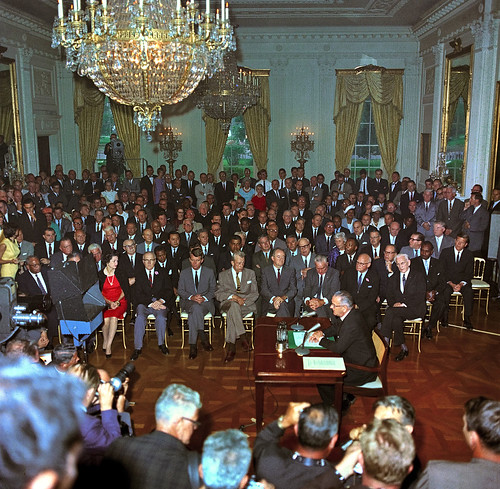 U.S. President Lyndon Johnson signs the Civil Rights Act of 1964, which prohibits racial discrimination in employment and education and outlaws racial segregation in public places such as schools, buses, parks and swimming pools
-
July 2, 1969The International resort/casino, the world's largest hotel, with the world's largest casino, at 2,700 square meters, opens in Las Vegas Boulevard, Nevada
-
July 2, 1976North and South Vietnam reunite to form the Socialist Republic of Vietnam
-
July 2, 2000Vincente Fox, a candidate of the rightist National Action Party, is elected President of Mexico, ending 71 years of Institutional Revolutionary Party rule and becomes the first opposition President of Mexico
-
July 2, 2001The world's first self-contained artificial heart called AbioCor is implanted in Chicago School teacher Robert Tools
-
July 2, 2002Steve Fossett, an American businessman, becomes the first person to fly solo around the world in a balloon
Friday, June 23, 2017
June 24
-
June 24, 79
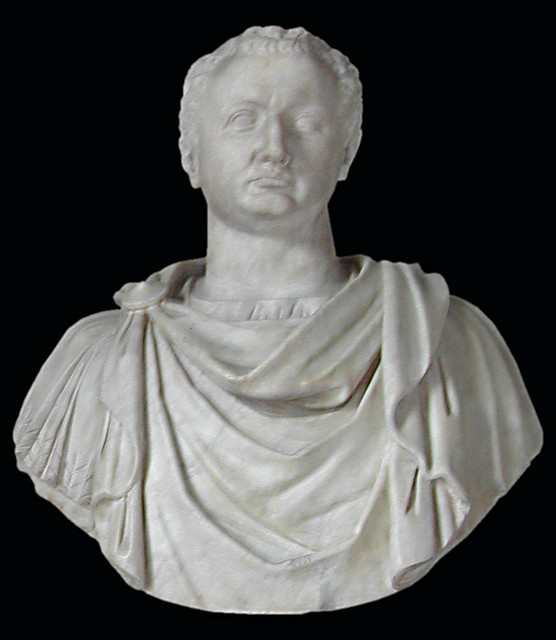 Titus succeeds to the throne after death of his father, Roman emperor Vespasian
-
June 24, 1128Afonso I of Portugal defeat the army of his mother Theresa and takes the leadership of the County of Portugal
-
June 24, 1314
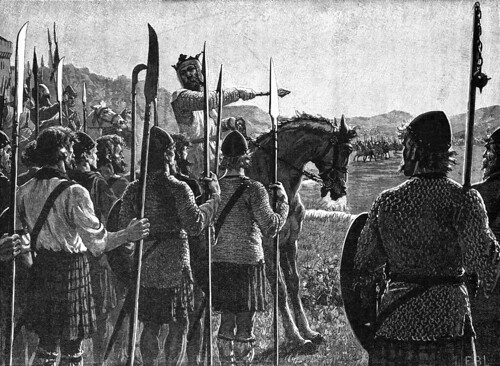 Robert the Bruce, King of of Scotland, defeats superior English army at Bannockburn forcing English forces withdraw from Scotland, which becomes the key point in the First War of Scottish Independence
-
June 24, 1340The English fleet defeat the French fleet at Sluys, off the Flemish coast
-
June 24, 1497
 Italian explorer John Cabot, on a voyage for England, lands in North America on what is now Newfoundland and claims the new land for King Henry VII of England
-
June 24, 1535The Münster Rebellion, an attempt of radical, millennialist, Anabaptists to establish a theocracy ends in bloodshed
-
June 24, 1622The Dutch attempt to conquer Macau during Dutch–Portuguese War ends with fail after a three-day battle
-
June 24, 1648Cossacks under Bohdan Khmelnytsky slaughter 2,000 Jews and 600 Polish Catholics in Ukraine
-
June 24, 1664New Jersey, named after the Isle of Jersey, is founded
-
June 24, 1692Kingston, Jamaica, is founded
-
June 24, 1793First republican constitution in France is adopted
-
June 24, 1812450,000 men of the Grande Armée of Napoleon crosses the Nieman River and begins invasion of Russia, resulting in catastrophic defeat for Franch
-
June 24, 1821Simón Bolívar defeat the Royalist forces, led by Spanish Field Marshal Miguel de la Torre at Battle of Carabobo outside of Caracas
-
June 24, 1859At the Battle of Solferino, also known as the Battle of the Three Sovereigns, the French army led by Napoleon III defeat the Austrian army under Franz Joseph I in northern Italy during Second Italian War of Independence
-
June 24, 1932Bloodless revolution ends absolute monarchy in Thailand
-
June 24, 1993Andrew Wiles, a British mathematician, wins worldwide fame after presenting his solution for Fermat's Last Theorem, a problem that has been unsolved for more than three centuries
Tuesday, June 6, 2017
June 7
-
June 7, 1494Spain and Portugal sign the Treaty of Tordesillas and agree to divide the World outside of Europe between themselves along a meridian 370 leagues west of the Cape Verde islands, a Portuguese colony off the west coast of Africa
-
June 7, 1520Field of the Cloth of Gold; Fabulous meeting between Francis I of France and Henry VIII of England
-
June 7, 1546
 The Treaty of Ardres ends the war between France and England
-
June 7, 1654Louis XIV is crowned King of France in Rheims
-
June 7, 1692An earthquake at Port Royal, Jamaica, causes a landslide within the harbor, generates a tsunami, and destroys ninety percent of the buildings in the city, killing approximately 2,000 people
-
June 7, 1753Britain's King George II gives his assent to an Act of Parliament establishing the British Museum
-
June 7, 1769Daniel Boone, an American pioneer explorer, first begins to explore the Bluegrass State of Kentucky
-
June 7, 1832The British Parliament passes the Great Reform Act which increases the number of people who are eligible to vote
-
June 7, 1848Paul Gauguin, a French post-impressionist painter, is born in Paris
-
June 7, 1905In a session of the Norwegian parliament, a unanimous vote proclaims that "the union with Sweden under one king is dissolved in consequence of the king's ceasing to function as king of Norway", marking independence of Norway
-
June 7, 1929Independent State of Vatican City comes into existence
-
June 7, 1942
 Americans destroy 4 Japanese carriers, 248 carrier-based aircraft and kills 3,057 at the Battle of Midway, the most important naval battle of the Pacific Campaign of World War II
-
June 7, 1991Ten-Day War in Slovenia begins the Yugoslav Wars
Saturday, May 6, 2017
May 6
-
May 6, 523
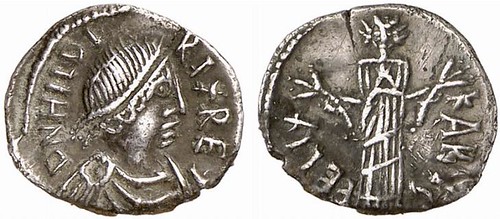 Thrasamund, King of the Vandals and Alans, dies and Hilderic succeeds
-
May 6, 1085Alfonso VI of León and Castile occupies the city of Toledo
-
May 6, 1527
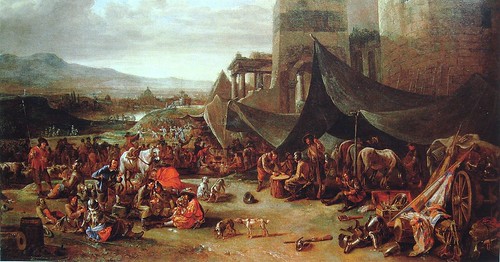 Spanish and German mutinous mercenaries sack Rome during the conflict between Emperor Charles V and the League of Cognac — the alliance of France, Milan, Venice, Florence and the Papacy, which is considered the end of the Italian Renaissance
-
May 6, 1576The Fifth War of Religion in France ends with the Edict of Beaulieu by which the Huguenots are granted freedom of worship in all places except Paris
-
May 6, 1682
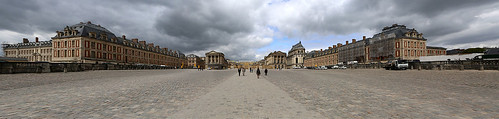 King Louis XIV of France officially establishes his court in new Palace of Versailles, some 20 kilometres southwest of the French capital, making it the centre of political power
-
May 6, 1757Frederik II of Prussia beat emperor's army at the Battle at Prague
-
May 6, 1794
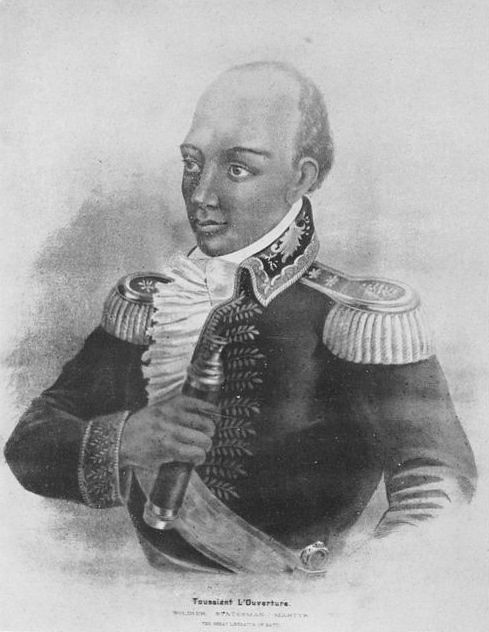 After the French declared an end to slavery, Toussaint Louverture, Haitian rebel leader, ends his alliance with the Iberian monarchy and embraces the French Republicans
-
May 6, 1856Sigmund Freud, father of psychology and the Viennese physician who discovered the unconscious, is born
-
May 6, 1856Robert Peary, arctic explorer, is born
-
May 6, 1877Chief Crazy Horse and his warriors fight their final losing battle against the U.S. Cavalry in Montana and surrenders
-
May 6, 1882President Chester A. Arthur signs the Chinese Exclusion Act, which prohibits the immigration of Chinese laborers into the United States for 10 years
-
May 6, 1889
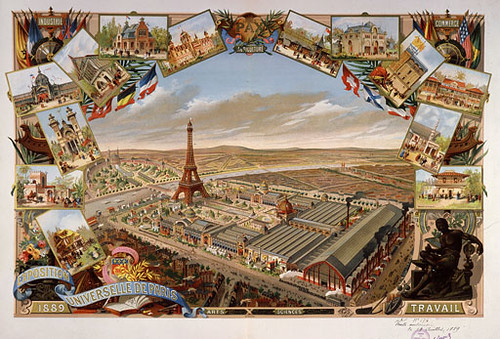 The Eiffel Tower is officially opened to the public with opening of Universal Exposition in Paris, France and becomes the tallest structure in the world until the Chrysler Building in New York City built in 1930
-
May 6, 1896Samuel Pierpont Langley, American physicist and aviation pioneer, launches the first reasonably large, steam-powered model aircraft
-
May 6, 1910George V ascends to British throne after death of his father Edward VII and becomes King of the United Kingdom and the British Dominions and Emperor of India
-
May 6, 1919German East Africa is assigned to Britain and France, German Southwest Africa to South Africa after Paris Peace Conference disposes of German colonies
-
May 6, 1937
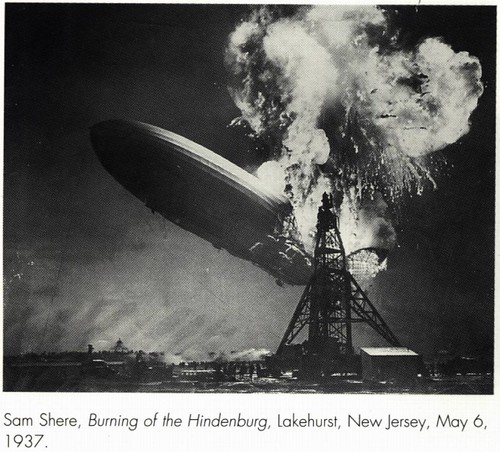 Hindenburg, the largest rigid airship by envelope volume, is destroyed by fire during its attempt to dock with its mooring mast in New Jersey
-
May 6, 1942American forces at Corregidor Island surrenders to the Japanese, putting all of the Philippines under Japanese control
-
May 6, 1953John Heysham Gibbon, an American surgeon, performes the first successful open heart procedure on a human utilizing Gibbon's heart lung machine
-
May 6, 1981A jury of architects and sculptors unanimously selects Maya Lin's design for the US Vietnam Veterans Memorial from 1,421 other entries
-
May 6, 1994
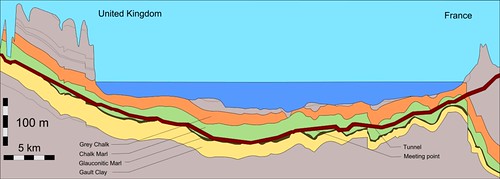 Channel Tunnel, 50.5-kilometre rail tunnel linking Folkestone in the United Kingdom, with Coquelles in northern France beneath the English Channel, is opened
-
May 6, 2000Operation Palliser, begun by British forces, effectively ending Sierra Leone Civil War
-
May 6, 2001The first space tourist, United States multimillionaire Dennis Tito, returns to Earth aboard Russian spacecraft Soyuz TM-31, while Soyuz TM-32, which delivered the crew to the International Space Station, is left docked as a new lifeboat
-
May 6, 2007Nicolas Sarkozy is elected President of the French Republic, defeating Ségolène Royal with 53 percent of the vote in the French Presidential Election
Wednesday, April 5, 2017
April 6
-
April 6, 402
 Roman army under general Stilicho, the son of a Roman soldier of Vandal birth, beat the Visigoths at the Battle at Pollentia
-
April 6, 610Muhammad begins preaching in Mecca
-
April 6, 1199Richard I the Lion-hearted, King of England is killed by an arrow at the siege of the castle of Chaluz in France and his brother John succeeds to English throne
-
April 6, 1250Louis IX, King of France, loses the Battle of Fariskur in Egypt and is captured by Muslim forces
-
April 6, 1348Laura, the love of Petrarch dies of the plague
-
April 6, 1483Raphael, an Italian painter, is born
-
April 6, 1528Albrecht Durer, a German painter, graphic artist, dies in Germany
-
April 6, 1652
 Dutch colonists led by Jan van Riebeeck establish settlement at Cape Town, the first European settlement in South Africa
-
April 6, 1762Winter Palace, the official residence of the Russian monarchs, designed Italian architect Bartolomeo Rastrelli in Elizabethan Baroque style, is completed
-
April 6, 1793Committee of Public Safety, which confer all executive power in France during Reign of Terror, is created by proposal of the Girondin leader Maximin Isnard
-
April 6, 1830The Church of Jesus Christ of Latter Day Saints, also known as Mormon Church, is established by Joseph Smith, who publishes the Book of Mormon in Palmyra, New York, and claims that the manuscript is based on ancient golden plates revealed to him by the angel Moroni
-
April 6, 1896
 Olympic Games, revived by French educator Baron Pierre de Coubertin, are opened in Athens, Greece with 13 countries participated
-
April 6, 1909
 American explorer Robert Peary, assistant Matthew Henson, and four Inuit men reach the North Pole, becoming the first documented men to reach the pole, though controversy remains over accuracy of his claim
-
April 6, 1912Electric starter motor first appears in Cadillac Model Thirty
-
April 6, 1917United States declares war against Germany and joins the Allies for the last 17 months of World War I
-
April 6, 1938Teflon is invented by American chemist Roy J Plunkett
-
April 6, 1965Intelsat I, a.k.a. "Early Bird", first commercial geosynchronous communications satellite, is launched
-
April 6, 1974Swedish music group Abba wins the Eurovision Song Festival with the song Waterloo
-
April 6, 1992Serbian troops, following a mass rebellion of Serbs in Bosnia and Herzegovina against the Bosnian declaration of independence from Yugoslavia, besiege the city of Sarajevo
-
April 6, 1993A nuclear accident occurs at Tomsk 7 in Russia
-
April 6, 2012The National Movement for the Liberation of Azawad unilaterally declares the independence of Azawad from Mali
Monday, March 20, 2017
March 21
-
March 21, 1421
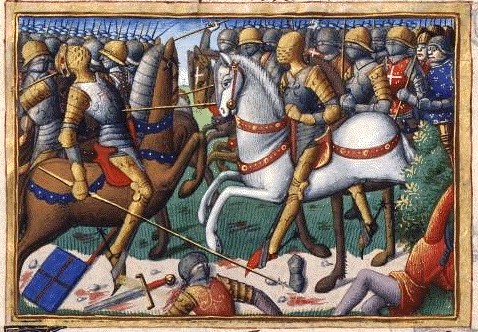 A Franco-Scots army beat British at the Battle of Bauge
-
March 21, 1556Thomas Cranmer, an archbishop of Canterbury, is burned at stake at age 66
-
March 21, 1617Pocahontas dies of either small pox or pneumonia during preparation to sail back to Virginia
-
March 21, 1668Jean de La Fontaine, one of the most widely read French poets, publishes his Fables Choisies, a collection of 124 fables dividing into six books
-
March 21, 1697Tsar Peter the Great begins a tour through West Europe
-
March 21, 1801
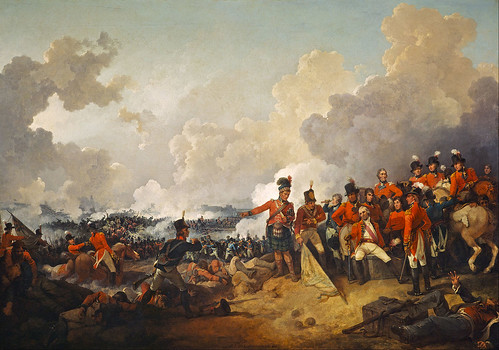 British expeditionary corps under Sir Ralph Abercrombie defeat the French army under General Menou in the Battle of Alexandria during Anglo-Ottoman land offensive
-
March 21, 1804The French civil code, later called the Napoleonic Code, is adopted and which forbids privileges based on birth and allows freedom of religion
-
March 21, 1858British forces in India lift the siege of Lucknow during the Indian Rebellion
-
March 21, 1865The Battle of Bentonville, North Carolina, ends, marking the last Confederate attempt to stop Union General William Sherman
-
March 21, 1871Journalist Henry M. Stanley began his famous expedition to Africa to locate the missing Scottish missionary David Livingstone
-
March 21, 1871Otto von Bismarck becomes the 1st Chancellor of the German Empire
-
March 21, 1918German Army begins the Great March Offensive and drives the Allied army back 40 kilometers before losing momentum
-
March 21, 1921James "Big Jim" Colosimo, United States gangster and boss of an Italian American crime syndicate, is murdered by Al Capone
-
March 21, 1935Persia is officially renamed Iran
-
March 21, 1960
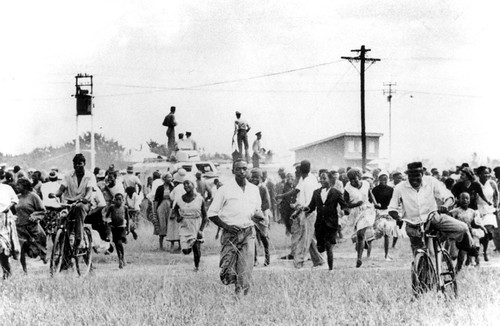 Police kill 72 in South Africa and outlaws African National Congress during Sharpeville massacre
-
March 21, 1980U.S. President Jimmy Carter announces that the United States will boycott the 1980 Summer Olympics in Moscow because of the Soviet war in Afghanistan
-
March 21, 1990After 75 years of South African rule, Namibia becomes independent, with Sam Nujoma as the first president
-
March 21, 1991United Nations Security Council panel decides to lift the food embargo on Iraq
-
March 21, 1999Bertrand Piccard and Brian Jones become the first to circumnavigate the Earth in a hot air balloon
-
March 21, 2014Russia formally annexes Crimea after President Vladimir Putin signed a bill finalizing the annexation process
Subscribe to:
Posts (Atom)